

壁炉石材效果涂层:优势、局限性与应用

0

Learn how stone-look coating is used on fireplace surfaces, including its decorative features, outdoor performance, advantages, limitations, and best application areas.

What Is Stone-Look Coating?

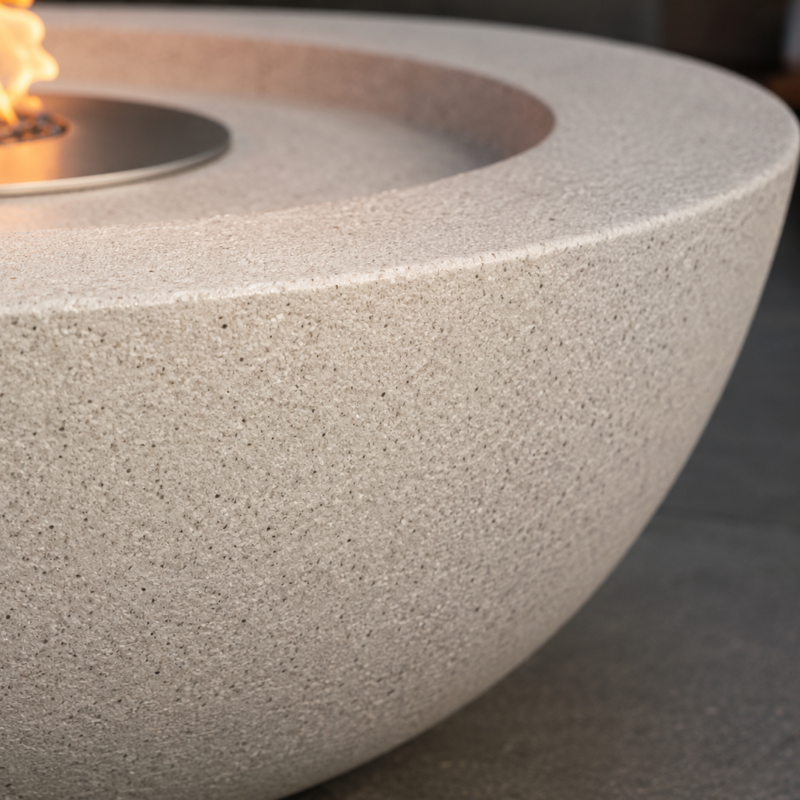
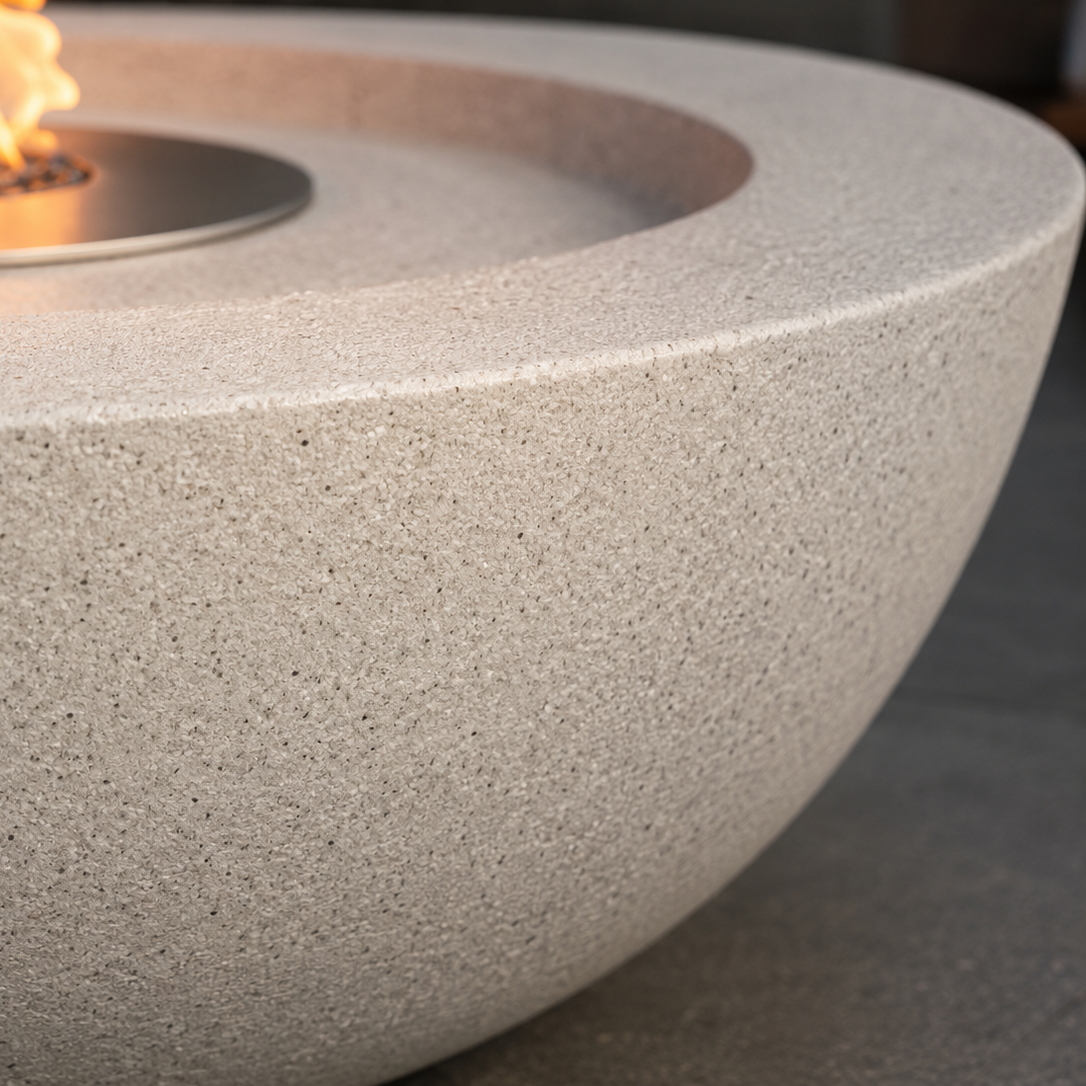
Stone-look coating, also known as real stone paint or faux stone coating, is a decorative surface finish made with resin, colored sand, stone particles, and functional additives. After spraying, it forms a textured surface that resembles natural stone, such as granite, sandstone, concrete, or rock.

Compared with ordinary flat paint, stone-look coating provides a richer visual texture and a more architectural appearance. This makes it a popular surface option for outdoor fire pits, fire pit tables, decorative fireplace surrounds, garden heating products, and modern landscape fireplace designs.

For fireplace manufacturers and project buyers, stone-look coating offers a practical way to create a premium stone-like appearance without using heavy natural stone slabs.

Key Features of Stone-Look Coating

Natural Stone Texture

The biggest advantage of stone-look coating is its realistic stone-like finish. Its granular surface creates depth, texture, and a natural visual effect, making the fireplace look more solid, premium, and architectural.

It can be used to create different styles, including:

  • Granite-like texture
  • Sandstone finish
  • Concrete-style surface
  • Natural rock appearance
  • Modern matte stone effect

Customizable Colors and Surface Effects

Stone-look coating can be adjusted with different colored sand and coating formulas. Common color options include grey, beige, off-white, black, brown, coffee, rust stone, and mixed stone patterns.

This flexibility makes it suitable for different fireplace styles, from modern minimalist designs to outdoor garden and hotel terrace applications.

Good Outdoor Decorative Performance

When used with proper primer and protective topcoat, stone-look coating can offer good resistance to water, UV exposure, dirt, and outdoor weathering. This makes it suitable for non-combustion exterior surfaces of outdoor fireplaces and fire pit tables.

For outdoor fireplace products, the coating should always be applied as part of a complete coating system, including surface preparation, primer, main stone-look layer, and protective clear topcoat.

Lighter Than Natural Stone

Natural stone, concrete, or ceramic slabs can add significant weight to a fireplace structure. Stone-look coating can be sprayed directly onto suitable substrates such as steel, stainless steel, aluminum, cement board, or composite panels.

This allows manufacturers to create a stone-like appearance while keeping the product lighter, easier to transport, and more flexible for customized production.

Why Use Stone-Look Coating on Fireplaces?

Fireplaces and fire pit tables are not only heating products. In many projects, they are also part of the outdoor landscape, patio furniture, hotel lounge design, or villa courtyard decoration.

Stone-look coating helps improve the visual value of the product. It gives the fireplace a more natural, architectural, and high-end appearance compared with standard black heat-resistant paint.

For commercial projects, this finish is especially suitable for:

  • Villa courtyards
  • Hotel terraces
  • Outdoor restaurants
  • Garden lounges
  • Homestay patios
  • Resort fire pit areas
  • Modern landscape heating products

Advantages of Stone-Look Coating for Fireplaces

Premium Decorative Appearance

Stone-look coating can make a metal fireplace look more like a stone-built feature. This helps the product blend naturally into outdoor spaces, architectural walls, garden furniture, and luxury patio environments.

More Cost-Effective Than Real Stone

Compared with natural stone cladding, ceramic slabs, or cast concrete structures, stone-look coating is often easier and more cost-effective to apply. It can achieve a similar decorative effect without the complexity of cutting, bonding, and installing heavy stone panels.

Suitable for Customized Fireplace Designs

Stone-look coating can be applied to many fireplace shapes, including square fire pit tables, round fire bowls, rectangular outdoor fireplaces, decorative bases, and custom metal housings.

For OEM and ODM fireplace production, this gives brands more flexibility in color, texture, and product style.

Better Design Differentiation

Many fireplace products have similar metal structures. A stone-look surface can create a stronger visual identity and help the product stand out in catalogs, websites, showrooms, and project presentations.

It is especially useful for product lines that target outdoor living, luxury garden furniture, hospitality projects, and high-end residential spaces.

Limitations of Stone-Look Coating on Fireplaces

Not Designed for Direct Flame Contact

Stone-look coating is mainly a decorative coating, not a professional high-temperature coating. It should not be applied inside the combustion chamber, on flame-contact areas, near burners, inside wood-burning fireboxes, or around exhaust openings.

High-temperature areas should use heat-resistant paint, stainless steel, refractory materials, insulation layers, or other suitable heat-resistant structures.

Heat Can Cause Cracking or Discoloration

If the exterior surface temperature of the fireplace becomes too high, stone-look coating may crack, discolor, bubble, powder, or peel over time. For this reason, the fireplace structure should be designed to keep coated surfaces away from direct heat.

Proper insulation, air gaps, double-layer structure, and heat-resistant inner liners can help protect the decorative outer coating.

Textured Surface Requires More Cleaning

Because stone-look coating has a rough and granular texture, dust, ash, oil stains, and outdoor dirt may collect more easily than on smooth metal paint. This is especially important for fire pit tables used for dining, barbecue, or commercial outdoor spaces.

A protective topcoat can improve stain resistance and make cleaning easier.

Higher Process Requirements

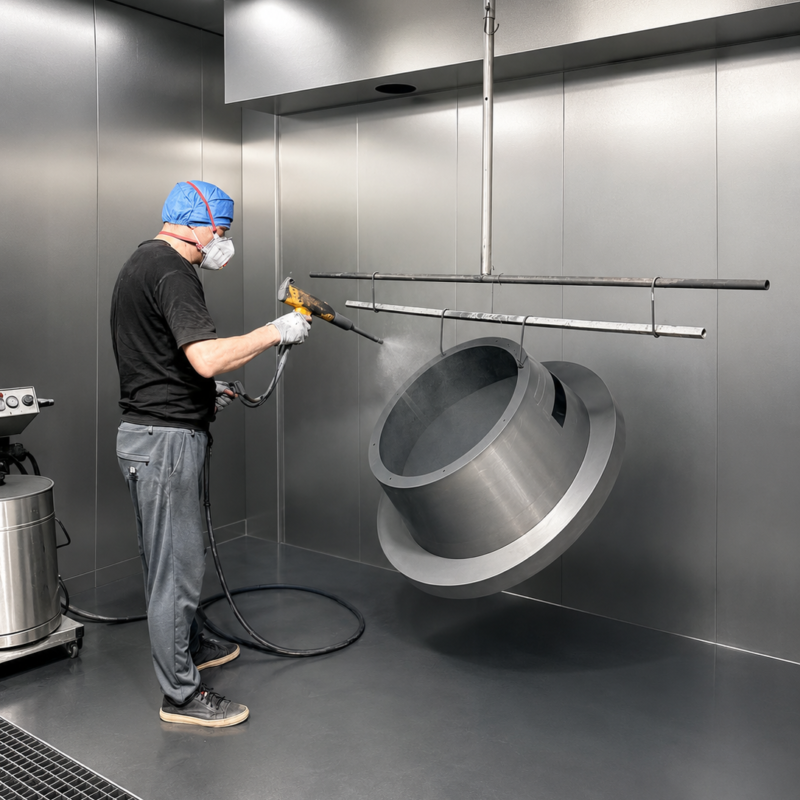
Stone-look coating usually requires several steps, including substrate treatment, primer, main coating spray, drying, and protective topcoat. If the process is not well controlled, issues such as color difference, uneven texture, cracking, sand loss, or poor adhesion may appear.

For fireplace production, special attention should be paid to corners, welded areas, edges, holes, and joints.

Best Fireplace Areas for Stone-Look Coating

Stone-look coating is suitable for decorative exterior areas that do not come into direct contact with flame or extreme heat.

Recommended application areas include:

  • Outdoor fire pit table exterior panels
  • Fireplace bases
  • Decorative side panels
  • Non-heated outer shells
  • Landscape fire feature surfaces
  • Garden fireplace decorative housings
  • Hotel terrace fireplace surrounds

Not recommended for:

  • Combustion chambers
  • Flame-contact surfaces
  • Wood-burning firebox interiors
  • Burner openings
  • Exhaust outlets
  • Chimney or flue areas
  • High-temperature metal surfaces

Production Tips for Stone-Look Fireplace Finishes

To achieve a stable and professional finish, manufacturers should control both product structure and coating process.

Important production points include:

  • Clean and degrease the metal substrate before coating
  • Sand or roughen the surface to improve adhesion
  • Use suitable anti-rust primer for metal parts
  • Keep coating thickness consistent
  • Avoid excessive coating buildup on corners and edges
  • Allow enough drying and curing time
  • Apply protective clear topcoat for outdoor use
  • Keep stone-look coating away from high-temperature zones
  • Test surface temperature before mass production

For outdoor fireplace products, coating durability depends not only on the paint itself, but also on the full product design, heat insulation structure, surface preparation, and quality control process.

Stone-Look Coating vs. Other Fireplace Surface Finishes

Stone-look coating is only one of several surface options for fireplaces. Each finish has its own best use case.

Heat-resistant paint is better for high-temperature metal surfaces, but its appearance is usually simpler.

Powder coating provides a clean and consistent finish, but standard powder coating is not suitable for high-heat areas unless a special heat-resistant formula is used.

Rust finish creates a natural outdoor style, but the color and surface effect may change over time.

Natural stone or ceramic cladding offers a premium real material appearance, but it increases weight, cost, and production complexity.

Stone-look coating provides a balanced option for decorative exterior surfaces, combining natural texture, flexible customization, and relatively efficient production.

结论

Stone-look coating is a practical and attractive surface finish for decorative fireplace exteriors. It can give fire pits, fire pit tables, and outdoor fireplace products a natural stone-like appearance while keeping the structure lighter and more flexible than real stone.

However, it should be used correctly. Stone-look coating is best for exterior decorative surfaces, not for combustion chambers or direct high-temperature areas. For safe and durable fireplace production, manufacturers should combine stone-look coating with proper heat-resistant materials, insulation design, primer, and protective topcoat.

When applied to the right area, stone-look coating can help fireplace products achieve a premium, architectural, and outdoor-friendly appearance.

发表回复

您的邮箱地址不会被公开。 必填项已用 * 标注